
• Skip to Content
  • Skip to Main Navigation
  • Skip to Search

Indiana University Indiana University IU

Open Search
  • People
  • Research
    • Nicer
  • Education
    • Bioethics Teaching Across Campus
    • Graduate Assistantships
    • Responsible Conduct of Research (RCR)
    • Graduate Education
  • Research Ethics
    • Data and Safety Monitoring For Clinical Research
    • Request a Consult
  • Ethics Resources
    • Bioethics Grand Rounds
    • TREATs Talks
    • Bioethics Blog
    • Reference Center
    • Dr. William S. Silvers Holocaust, Genocide, and Contemporary Bioethics Lectureship
  • Events

Center for Bioethics

  • Home
  • People
  • Research
    • Nicer
  • Education
    • Bioethics Teaching Across Campus
    • Graduate Assistantships
    • Responsible Conduct of Research (RCR)
    • Graduate Education
  • Research Ethics
    • Data and Safety Monitoring For Clinical Research
    • Request a Consult
  • Ethics Resources
    • Bioethics Grand Rounds
    • TREATs Talks
    • Bioethics Blog
    • Reference Center
    • Dr. William S. Silvers Holocaust, Genocide, and Contemporary Bioethics Lectureship
  • Events
  • Search
  • Home
  • Events
  • News from the Center
  • Halverson Publishes Research on Emoji use in Clinical Messaging

Dr. Colin Halverson Publishes New Research on Emoji use in Clinical Messaging

Thursday, September 10, 2026

Emoji use has become increasingly common in messaging, not just in personal life but also in the professional world as well—including clinical spaces. Despite the prevalence of emoji use in clinical messaging, there has been limited qualitative research on how clinicians assess this practice. To further learn about clinicians’ use and attitudes of emoji use in clinical messaging, IUCB Faculty, Investigator, Colin Halverson, PhD, conducted a series of focus groups with clinicians about their use of emoji in clinical messaging.

The study found that participants saw emoji as having several positive benefits, for instance, building rapport, softening directives, and reducing notification fatigue. However, participants also noted several concerns, such as ambiguity and informality. Many of these responses were also context-dependent—taking into consideration power hierarchies, personal familiarity, and generational differences. Emoji use was viewed as more acceptable in informal contexts and less so in high-stakes or sensitive contexts.

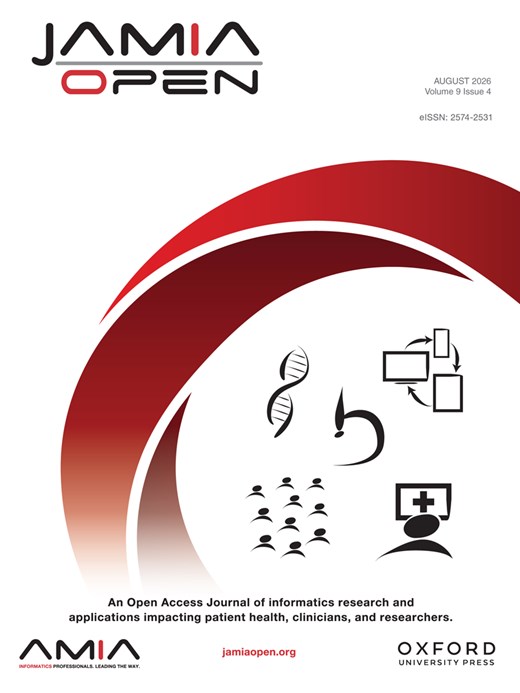
You can read the full article here and you can learn more about Dr. Halverson’s work with emoji here.

Center for Bioethics resources and social media channels

  • IU School of Medicine
  • Twitter
  • YouTube
  • LinkedIn

Additional links and resources

INDIANA UNIVERSITY
Center for Bioethics

HITS Building, Suite 3100

410 W 10th St
Indianapolis, IN 46202

Indiana University

Accessibility | College Scorecard | Open to All | Privacy Notice | Copyright © 2026 The Trustees of Indiana University